Removing Barriers & Building Connection
Effective communication is foundational to building trust with families. In school districts of every size, families come with different backgrounds, needs, and levels of familiarity with educational systems. While resources and staffing vary, the goal remains the same: provide information that every family can understand and act on.
Clear, accessible communication is not dependent on having a large budget or extensive staff. It starts with intentional practices reducing barriers, simplifying language, and using tools and strategies that help all families stay informed and connected.
Remove the Jargon
Educational jargon can be confusing. Avoid it whenever possible. If a term is necessary, define it clearly and consider creating a simple glossary for IEP meetings, conferences, and other key communications.
Less Words Is More
School leaders sometimes write more than needed, trying to explain everything. While letters from the principal or superintendent are important, they are often skimmed rather than read in full. Long paragraphs can lead to messages being saved for later, and important details can be missed.
Tips for clear messaging:
- Focus on essential information only
- Use bullet points for easier reading
- Ask whether each part of the message is essential or skimmable
Know Your Communication Tools
It's important to understand the tools your district uses and how to use them effectively. Ensure newsletters and messages:
- Maintain consistent branding
- Meet ADA requirements
- Offer translation when needed
Canva recently launched a free newsletter tool with analytics, making it a strong option for districts looking for a no-cost solution. Other platforms, like Smore and Constant Contact, offer robust features, though fees may apply depending on district size. The focus should always be on tools that support clear, accessible, and consistent communication.
Be Consistent in Communications
It is just as important to consider why a message is sent as what it says. Avoid unnecessary communications and create a plan that outlines:
- When messages should be sent
- Which channels or tools to use
- Who is responsible for sending communications
Consistency helps families know what to expect and ensures they can rely on the information they receive.
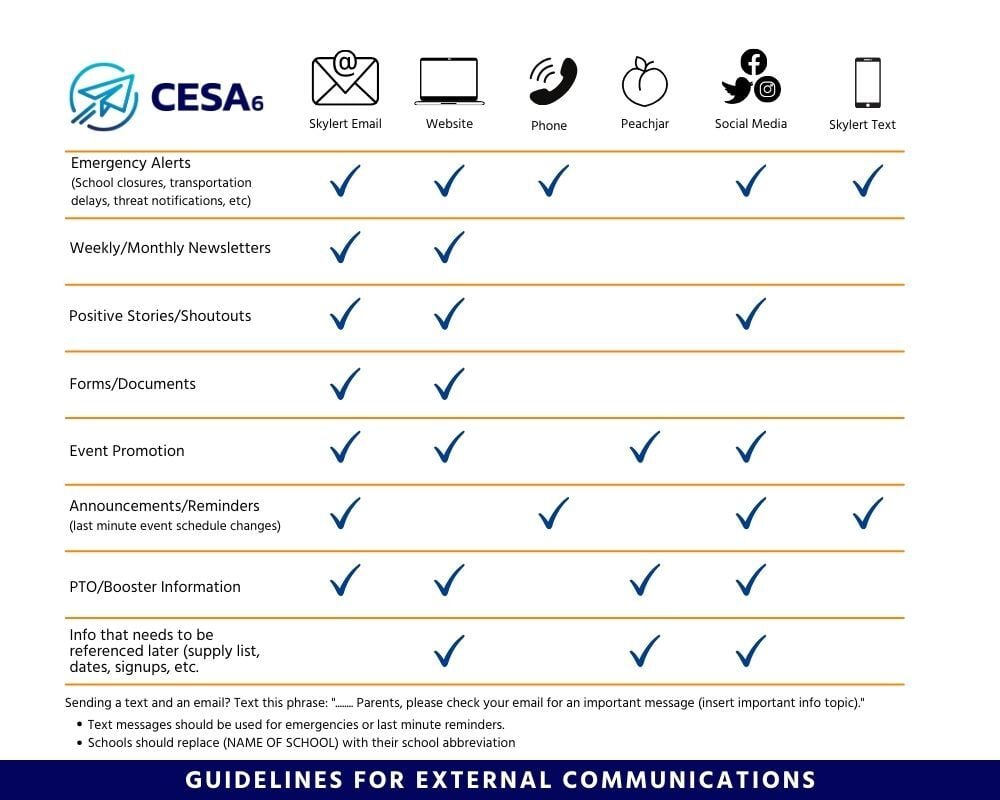
Audit Your Communication Tools
Regularly review communication methods to ensure they effectively reach all families. Consider whether your tools meet the needs of every student and family, including those who may be underserved. Identify gaps and adjust practices to improve accessibility and engagement.
Effective communication is about clarity, consistency, and accessibility. By simplifying language, using tools wisely, and keeping messages focused, districts can make sure every family stays informed and connected. Thoughtful communication is more than a message; it is a bridge that builds trust and strengthens the partnership between schools and families.


 March 24, 2025
Leave a Comment